

Beekeeping Gutwenger
Our busy bees
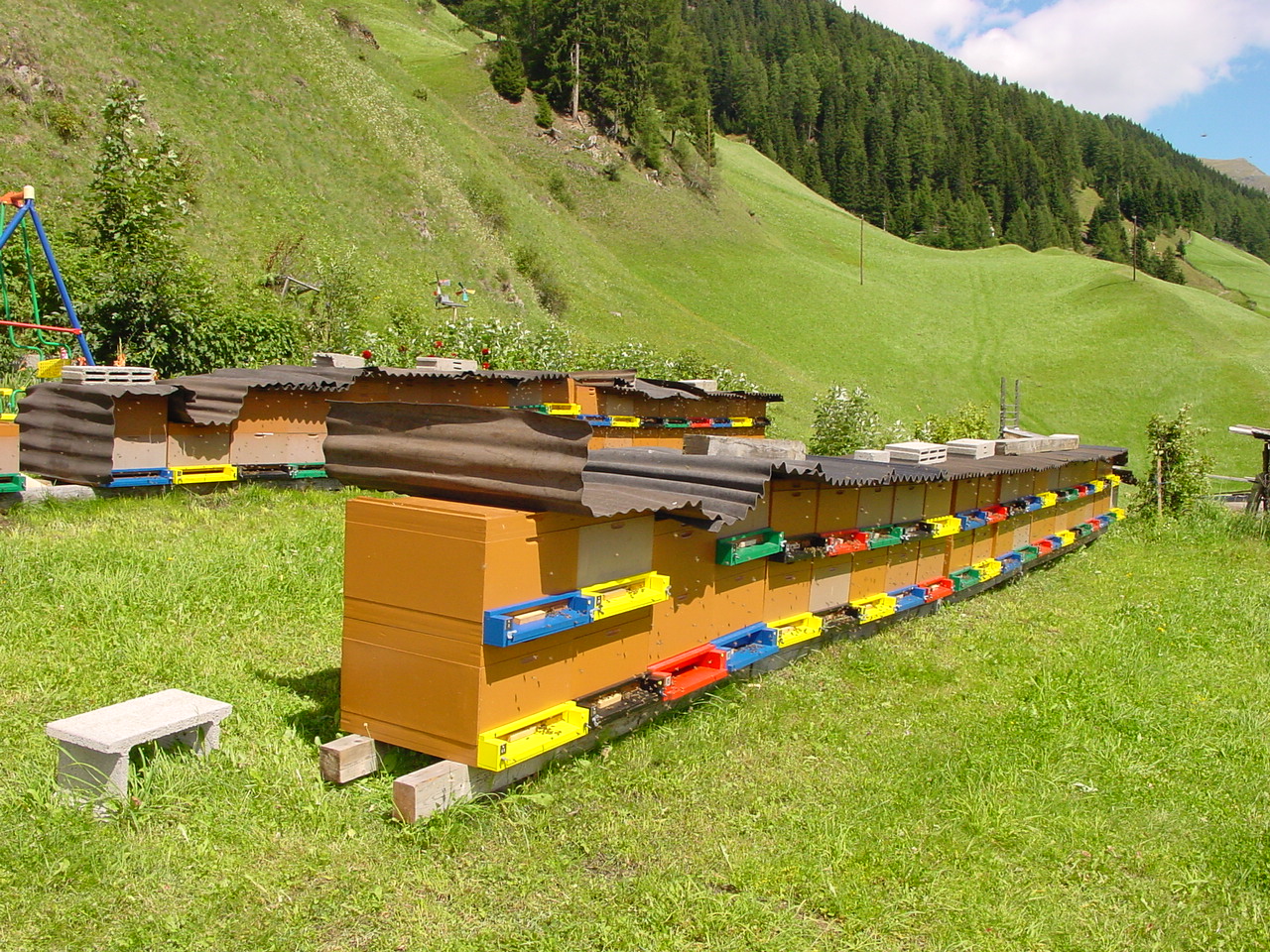
In addition to the small mountain farm and the rental business, we also run a beekeeping business with our own queen rearing. Together with our two daughters, Manuela and Theresa, we manage around 150 bee colonies. These produce an extremely tasty and high-quality honey from the nectar of mainly dandelion, blueberry, forest, raspberry, alpine rose and the diverse flowering mountain meadows. Our honey is therefore a mixture of different flowers and herbs.
The short vegetation period at 1,500 to 2,500 meters above sea level allows only 1 extraction at the end of July, which means that the honey is optimally ripe with a low water content. There is plenty of work from the beginning of May to the end of August.
Be there when we take the honeycombs filled with honey from the hives and spin them in our main building. Take this opportunity to learn some interesting facts about bees and beekeeping.
Our apiaries



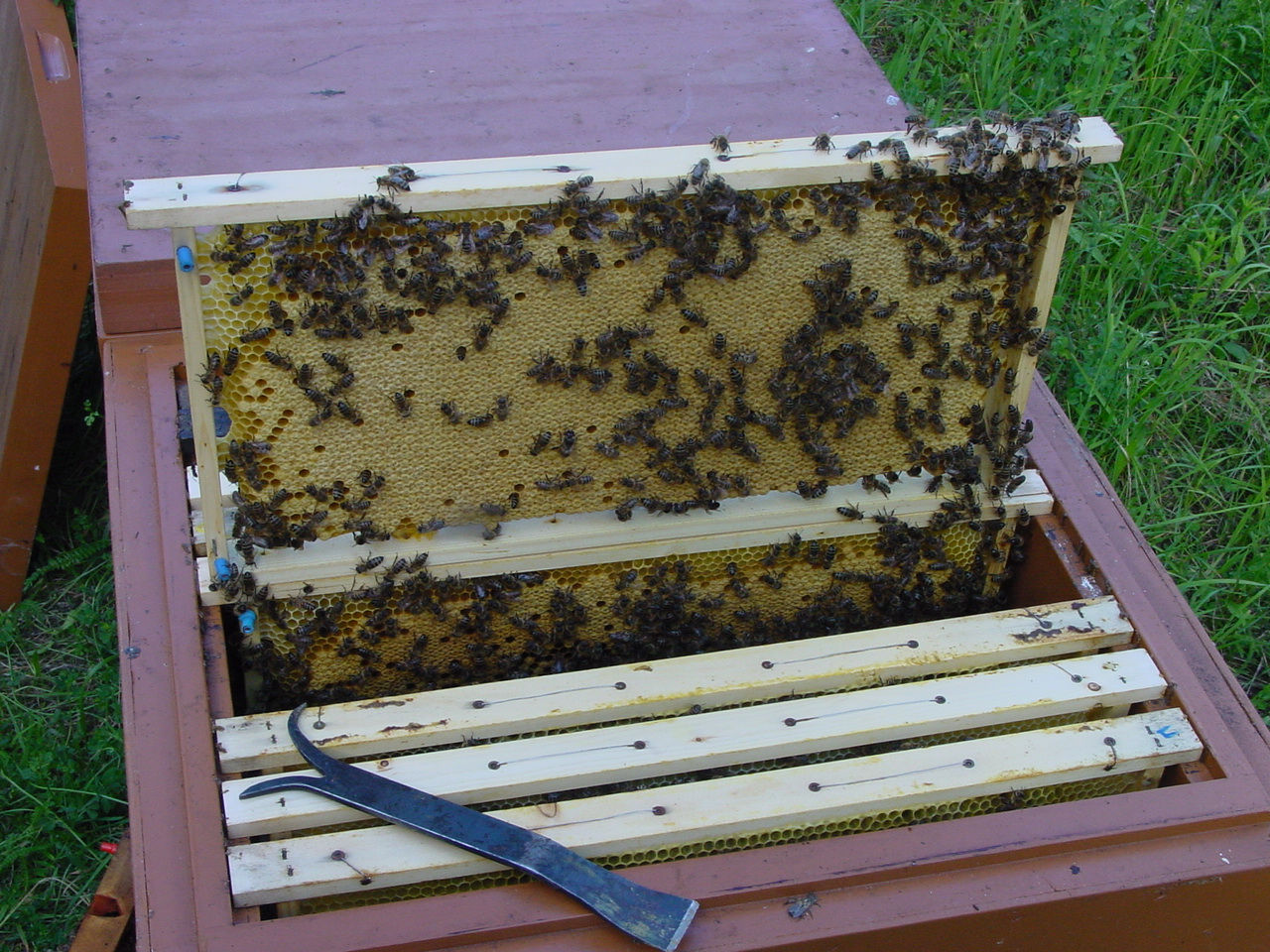
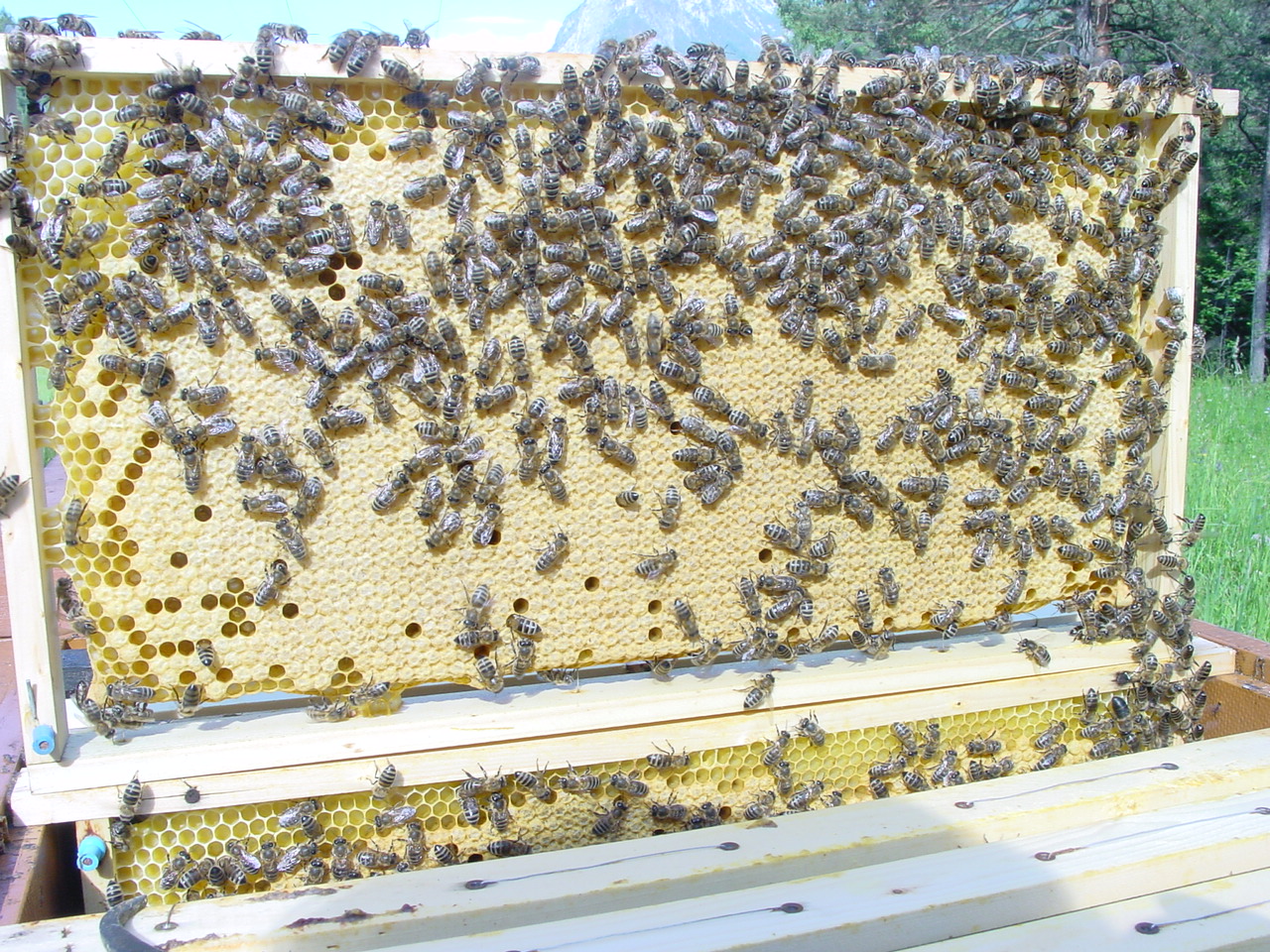
In the beehive
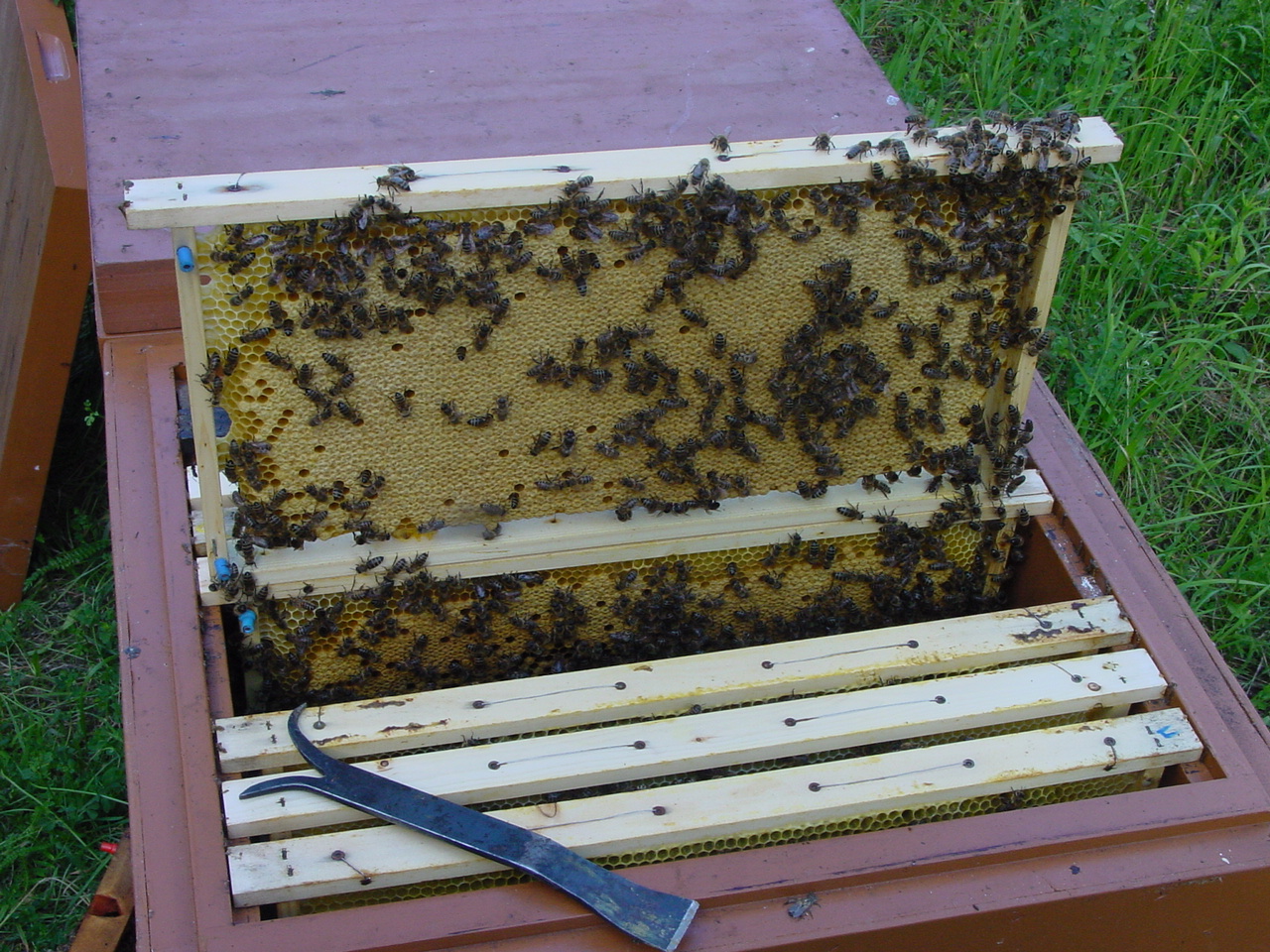
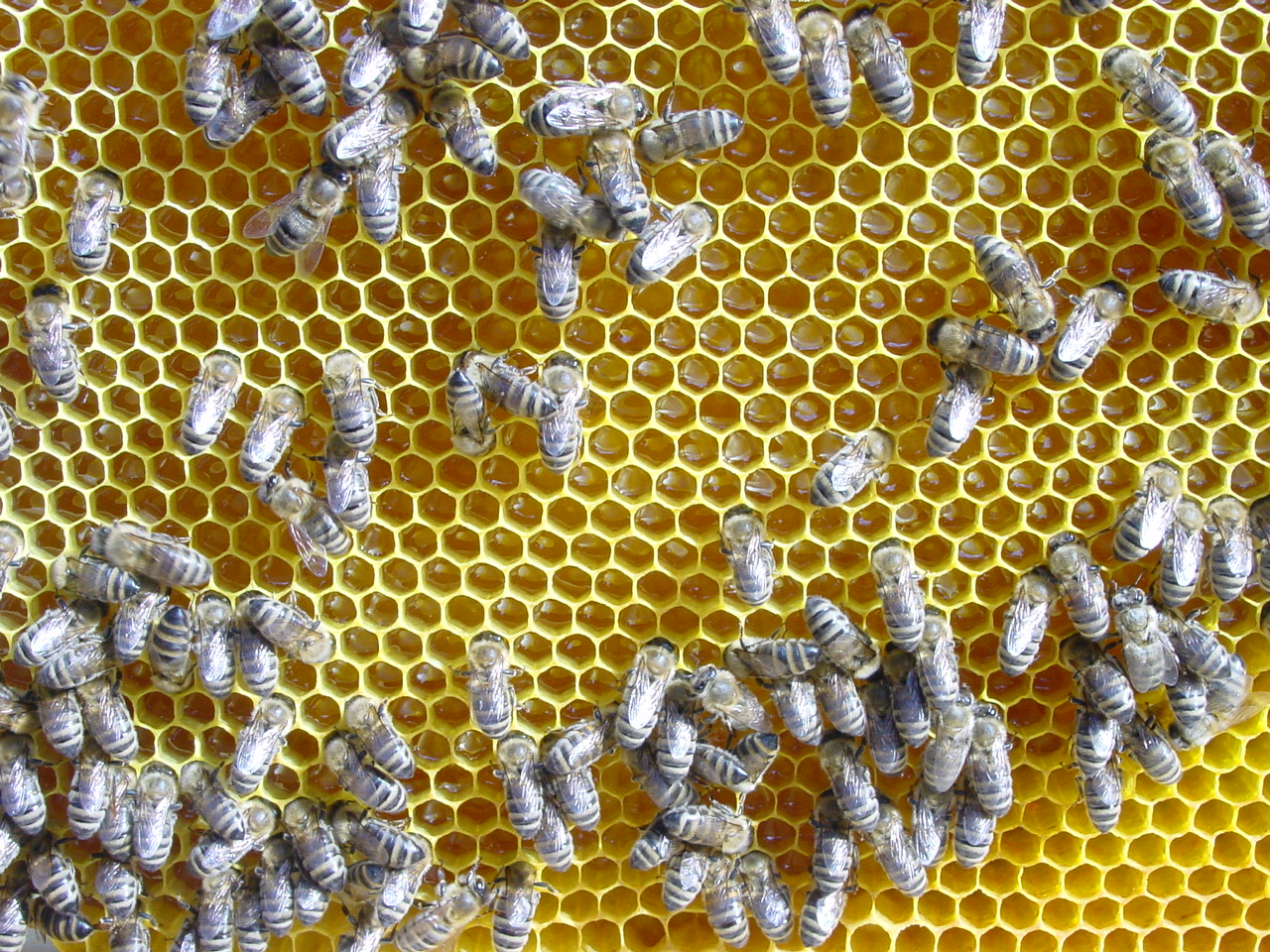
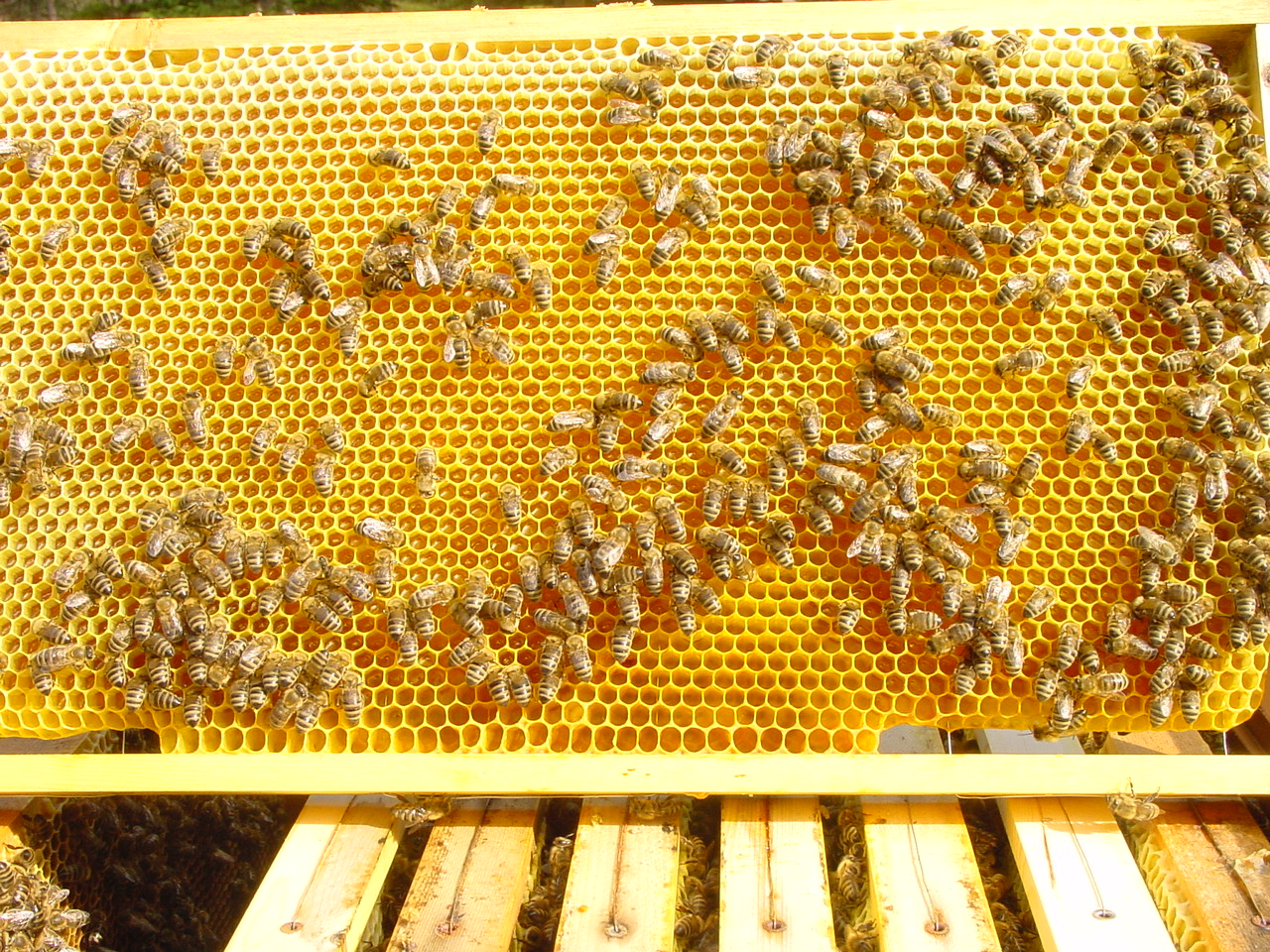
The inner workings of a beehive over the months are remarkable. From February (hazel blossom) to mid-June, all the pollen and nectar collected is used for brood care.
Only after the summer solstice does the brood cycle begin to decline slightly, and then the excess nectar is stored as a reserve for the winter—if the beekeeper doesn't intervene.
At the end of July, when the main nectar flow is over and the honey is fully ripe, we remove most of the honey and supplement the harvest with feed syrup.


Distribution and sale
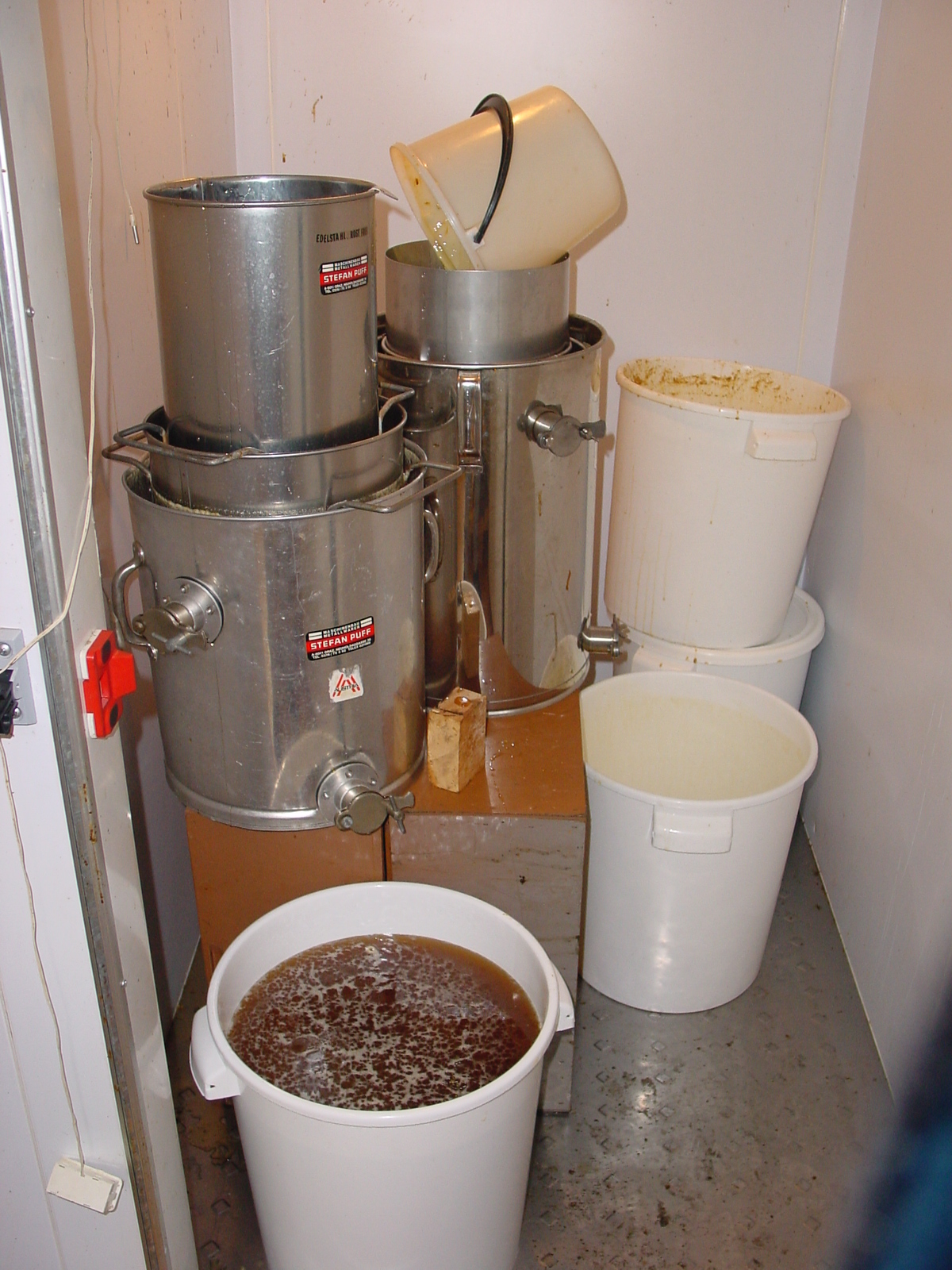
The honeycombs are taken from the beehives and replaced with empty combs. At home in the extraction room, the combs are uncapped (the wax layer is removed from the cells) and then spun. The honey is sieved several times and left to rest for a few days so that the small air pockets collect in a layer of foam at the top.
Only then can the honey be poured into 250 g, 500 g, or 1 kg jars, labeled, and sold.




Beekeeping for children right at the apiary
If desired, we are happy to provide insight into what goes on inside the bee colony. We also answer any questions about bees.
We can always work with our gentle bees without protective clothing, even the children.


Prices Honey from our own production
* € 17,00 for 1 kg
* € 9,00 for 0,5 kg
* € 4,80 for 0,25 kg
Picture gallery Beekeeping